A few days ago, I created a new website by having a conversation with artificial intelligence.
I explained what I wanted. I chose a design, supplied a photograph and asked AI to add one of my articles. Within minutes, the article had its own page, photographs had been created to accompany it, and links had been added to the rest of the website.
As I looked at the finished result, I remembered building websites many years ago using Microsoft FrontPage.
I became quite good at using it, but creating a website still took me ages. Every page had to be constructed. Photographs had to be resized and placed correctly. Navigation links had to be created and checked. If I changed something on one page, I might have to repeat the change on several others.
Then came the business of getting the website onto the internet and hoping everything worked as it should.
At the time, FrontPage seemed remarkable. It allowed an ordinary person like me to create something that previously would have required specialist knowledge.
Now, decades later, I can build a website simply by describing what I want.
I am not merely watching technological history. I have lived through it—and, even at 70, I am still participating in it.
The world in which I grew up
When I was young, there were no personal computers, mobile phones or internet.
If you wanted to learn about something, you looked in a book, visited a library or asked somebody who might know. If you arranged to meet a person, you agreed on the time and place beforehand. You couldn't send a message from your pocket to say you were running late.
Photographs were taken on film. You didn't know whether they were any good until they had been developed. Television offered only a few channels, and programmes finished for the night.
Long-distance communication meant writing a letter or making an expensive telephone call.
None of this seemed primitive at the time. It was simply normal life.
The future I saw in Thunderbirds
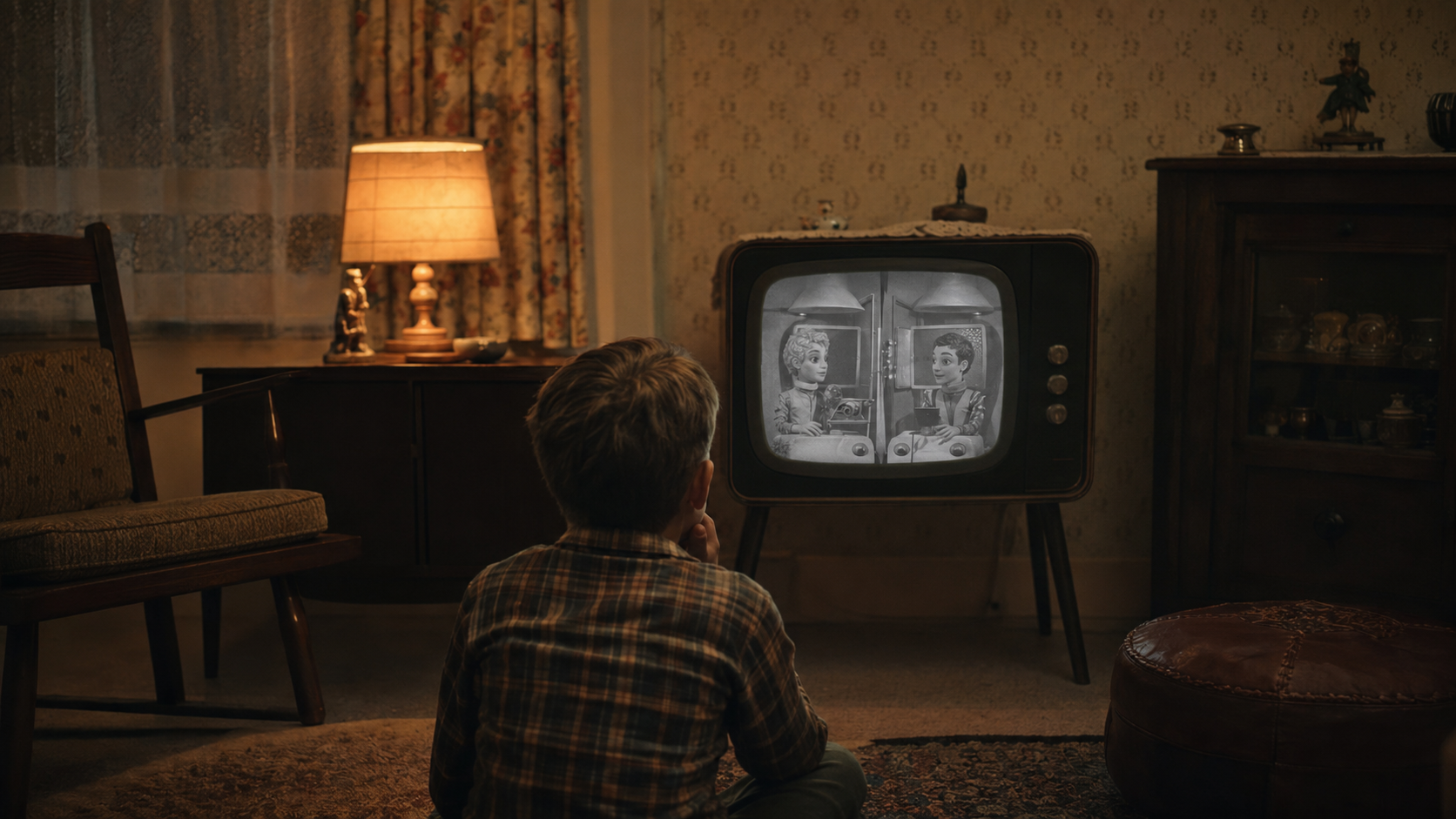
Around 60 years ago, I watched a children's television programme called Thunderbirds. In it, people spoke to each other on telephones fitted with television screens so they could see the person at the other end.
I only vaguely remember my reaction, but I do remember thinking how amazing it was. It belonged to an imaginary future created using puppets, miniature models and special effects. The idea that ordinary people might one day make video calls seemed almost impossible.
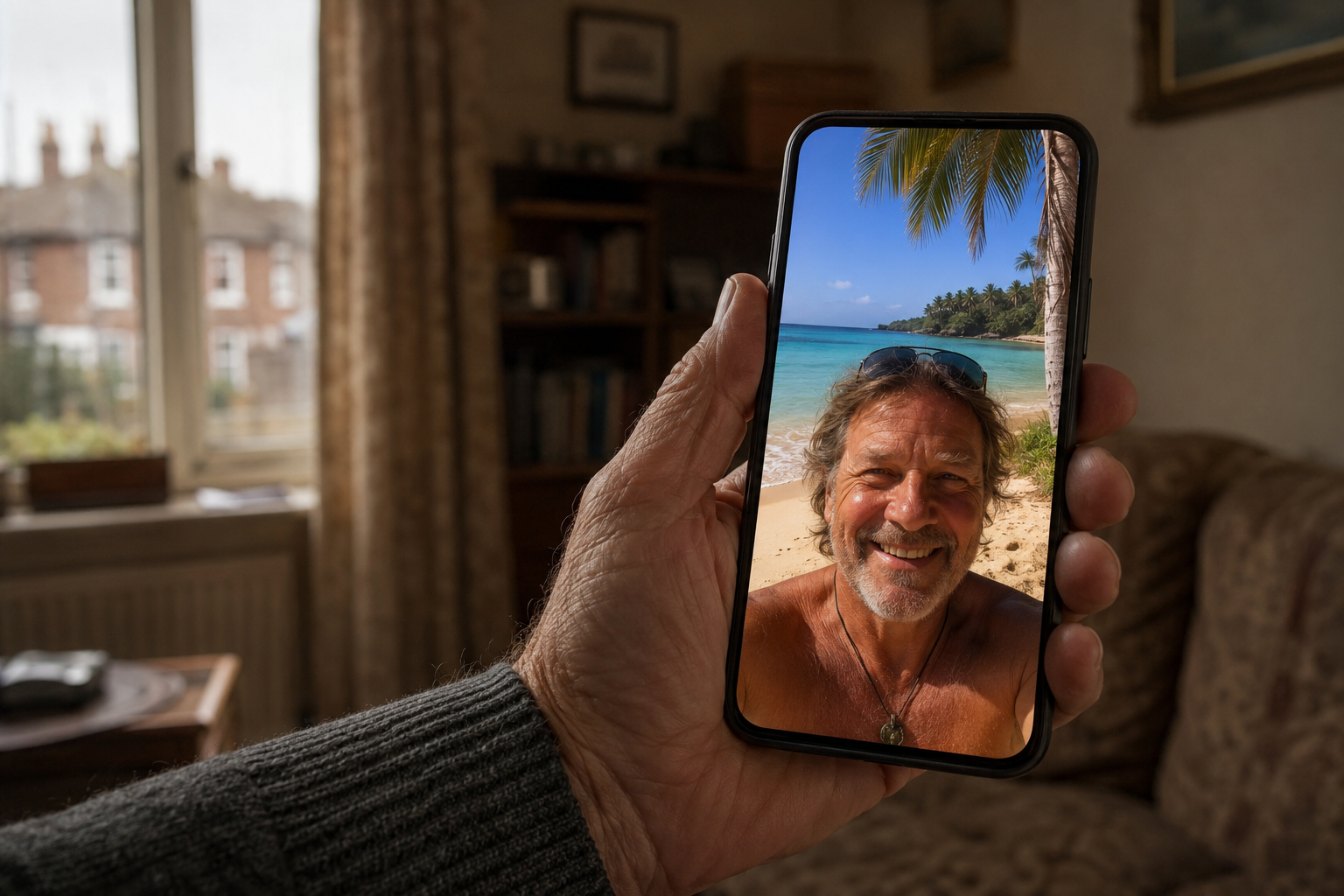
Not long ago, I spoke on my mobile phone to a friend who was holidaying in Mexico.
I could hear him and see his face. But I could also see the beach behind him and the sea stretching into the distance. I was sitting in Britain while looking at a beach thousands of miles away through a device small enough to carry in my pocket.
The futuristic telephone from Thunderbirds had not merely become real. The reality had surpassed it.
Technology begins changing everything
We watched calculators replace written arithmetic, video recorders change how we watched television and computers enter workplaces and homes.
I remember when using a computer was considered a specialist skill. People attended courses to learn how to operate one. Offices kept paper records because nobody completely trusted the machine.
Eventually came the internet.
For the first time, ordinary people could publish their own words and make them available around the world. That was what attracted me to building websites with FrontPage.
It wasn't instant or effortless, but it felt like a new kind of freedom. You no longer needed to own a newspaper or work for a television company to put your ideas before the public.
Today, I can record a video on my phone and place it on TikTok within minutes. People much younger than me can watch it, comment and decide to follow me.
That would have sounded like science fiction when I was growing up.
And now artificial intelligence
Artificial intelligence represents another enormous step.
I can ask it questions, explore ideas and use it to help organise my writing. I have used it while working on books, articles and videos. Now I have used it to help create the A Dose of Dave website.
The speed still astonishes me.
I recently wrote an article called We Are All Seeing the Wonders of AI. I gave the finished article to AI and asked for it to be placed on my website under an AI section, with a couple of suitable photographs.
Not long afterwards, it was there.
The article had been divided into readable sections. The photographs supported its meaning. The page matched the design of the website, and visitors could reach it through the navigation menu.
I thought about how long that would have taken me using FrontPage.
But an important point should not be forgotten: AI did not supply the experiences, beliefs or purpose behind the article.
Those came from me.
The technology helped turn my thoughts into a finished page, but they were still my thoughts. I decided what I wanted to say, examined the result and retained the authority to change it.
That is how I believe AI should be used.
It should reduce the technical barriers between an idea and what we want to create. It should help us express ourselves—not replace the person doing the expressing.
Still learning
Some people of my generation feel that technology has moved too quickly and left them behind. I understand that feeling. Modern systems are not always designed with older people in mind, and companies often remove familiar methods before everybody is comfortable with their replacements.
But I also believe curiosity keeps part of us young.
We don't have to understand every technical detail. We don't have to use every new gadget or join every online platform. But neither should we assume that new technology belongs only to younger people.
At 70, I have published a book about artificial intelligence, built a following on TikTok and created a new website with the help of AI.
That isn't what I imagined I would be doing at this stage of my life.
Perhaps that is exactly why I enjoy it.
Getting older inevitably means accepting that some physical abilities are no longer what they once were. I have had to recognise my limits while walking and camping. There are routes I once completed easily that now require more thought—and occasions when turning back is the sensible decision.
But accepting physical limits does not mean closing the mind.
There are always new subjects to investigate, new skills to try and new ways to communicate. You don't stop learning because you reach a particular birthday unless you decide to stop.
Technology can be frustrating. It can also be dangerous when it is trusted too much or placed beyond meaningful human control. I have written extensively about those concerns, and I stand by them.
But caution and curiosity are not opposites.
We can question technology while still exploring its possibilities. We can use artificial intelligence while insisting that human judgement remains in charge.
Those of us who remember life before the digital world may have something important to contribute. We carry the memory of the old world while participating in the creation of the new one.
Part of the story
When I first built websites using Microsoft FrontPage, I never imagined that one day I would create a website by talking to artificial intelligence.
Yet here I am.
That does not make my earlier knowledge worthless. It allows me to appreciate how far we have travelled.
It also reminds me that history is not something that happens only in books or to famous people.
History happens through the changes ordinary people experience in their everyday lives.
It is the first television entering the family home. It is watchingThunderbirds and being amazed by the idea of a telephone with a screen. It is the first computer appearing in the workplace. It is sending your first email, buying your first mobile phone or discovering that you can speak face-to-face with somebody on the other side of the world.
And now it is an ordinary retired man from the North West of England sitting at home, creating books, articles and websites with artificial intelligence.
At 70, I have realised that I am part of technological history.
Not because I invented any of these technologies, but because I lived through their arrival, adapted to them, questioned them and continued using them to create something of my own.
I don't know what the next development will be.
But I intend to remain curious enough to find out.