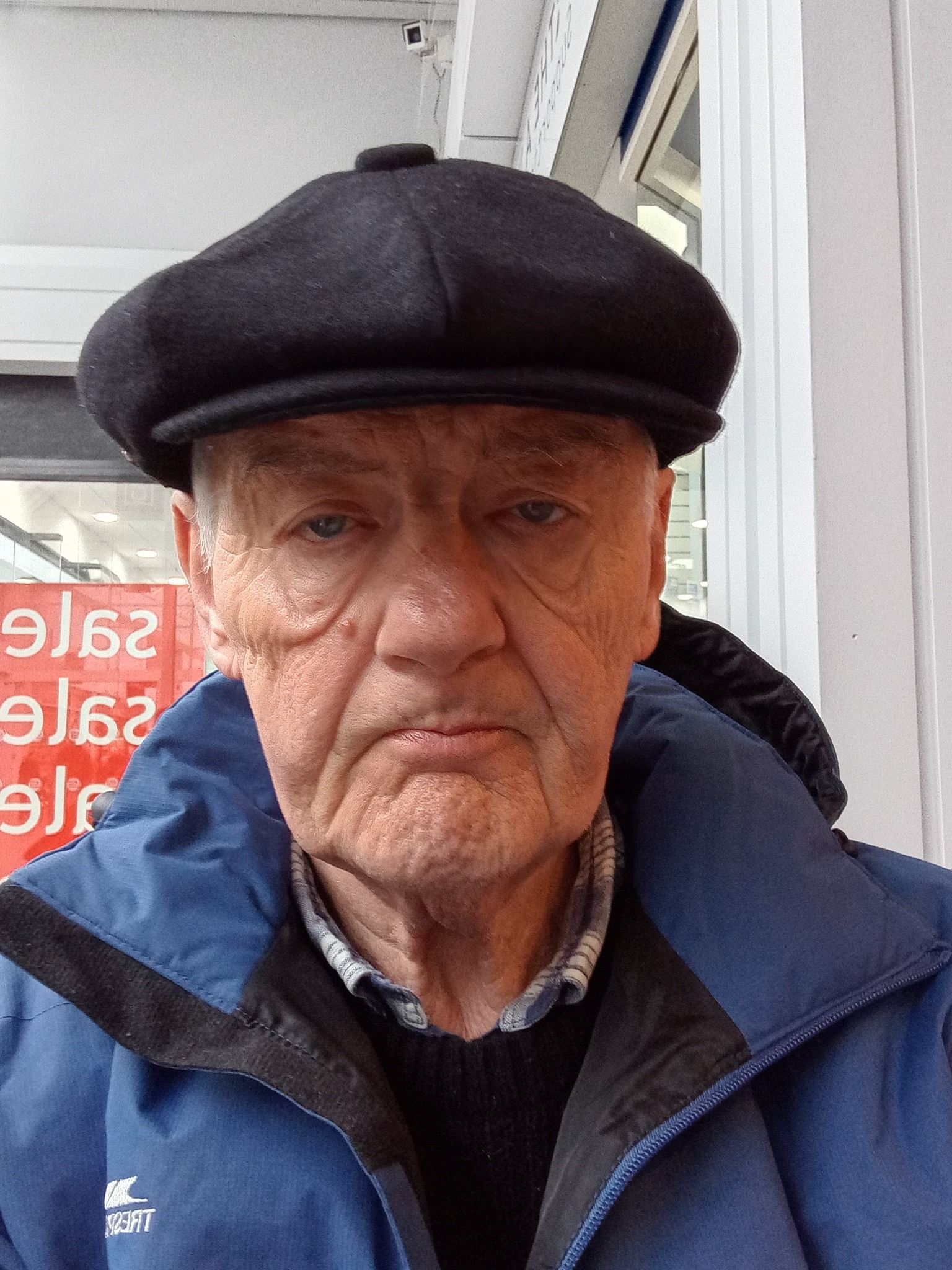
One weekday morning, I found myself sitting with a mocha while much of the world was at work.
There was nothing particularly remarkable about the café, the drink or the photograph I took. But the moment represented something I had spent most of my working life looking forward to.
I didn't have to be anywhere.
Nobody was waiting for me to arrive. There was no shift starting, meeting approaching or list of problems requiring my attention. I could finish my mocha, order another one or simply sit there watching the world go by.
That is one of the quiet pleasures of retirement.
But retirement is more complicated than finally being able to enjoy a mocha on a workday. It isn't a single experience that begins when you leave employment and continues unchanged for the rest of your life.
Retirement has stages. Some are exciting. Others are unsettling.
Most people probably move backwards and forwards between them without ever giving the process a name.
The long-awaited freedom
The first stage is often described as the honeymoon period.
After years of alarms, timetables and responsibilities, you suddenly have control over your own time.
You can stay up as late as you like because you don't have to get up for work. You can sleep in without feeling guilty. Sunday evening loses the slightly uncomfortable feeling that Monday morning is approaching.
You can visit places when they are quieter, go shopping outside the weekend rush and arrange your days around the weather rather than a work rota.
For a while, it can feel like being on holiday without a return date.
I went through that stage myself. I enjoyed staying up late and getting up whenever I wanted. There was something satisfying about knowing that my time finally belonged to me.
After spending much of adult life doing what had to be done, freedom felt like a reward.
And it was.
But even freedom changes when it becomes normal.
When every day feels the same
A holiday feels special partly because it is different from ordinary life.
When every day is Saturday, Saturday eventually stops feeling special.
Without work dividing the week into recognisable sections, the days can begin to merge. You sometimes have to stop and think about what day it is.
At first, that can be amusing. Later, it can become slightly disorientating.
Work gives life structure, even when we complain about that structure. It tells us when to get up, where to be and what needs doing. It also provides contact with other people and a sense that we have completed something.
When work disappears, all that time has to be filled—but filling time is not the same as creating a satisfying life.
You can watch more television, spend more time online or put off until tomorrow something you could easily do today. Nobody tells you otherwise.
That is freedom, but too much unstructured freedom can quietly become emptiness.
Retirement does not automatically give somebody purpose. It gives them time.
What they do with that time becomes the real question.
The loss nobody talks about
People usually discuss retirement in financial terms.
Can you afford to stop working? Will the pension cover the bills? How much money will you need?
Those are important questions, but they are not the whole story.
Work is also part of our identity.
When somebody asks what you do, the answer usually involves your occupation. For decades, your job explains a large part of your place in the world.
I was an operations manager. People relied upon me to deal with problems, make decisions and keep things working.
Then one day, that role ended.
You remain the same person, but one of the main ways society has defined you suddenly disappears. The telephone rings less often. Decisions that once seemed urgent continue without you. The workplace adjusts, somebody else takes over and the organisation carries on.
That can be humbling.
It can also leave people wondering who they are when they are no longer needed in the way they once were.
Some retirees immediately replace work with endless activity. Their diaries become packed with clubs, committees, appointments and responsibilities.
There is nothing wrong with being busy, but sometimes constant busyness is another way of avoiding the question:
Who am I now that I no longer have my job?
Creating a new structure
Eventually, I began to understand that I didn't need to choose between a rigid timetable and having no structure at all.
The answer was somewhere in the middle.
I needed enough routine to give my days shape, but enough freedom to change my mind.
The allotment provides some of that structure. There are always jobs that need doing, although the weather and seasons decide much of the timetable.
Writing gives me something to think about and work towards. I have written and published a book about artificial intelligence. I have worked on articles and other writing projects.
TikTok brought something I could never have predicted. At nearly 70, I found myself making videos watched by people much younger than me.
Now I am helping to build the A Dose of Dave website and turning my thoughts and experiences into articles.
Camping and walking give me trips to plan and something to anticipate. Even preparing the equipment, checking the weather and deciding where to go add interest to ordinary weeks.
None of these things feels like employment.
That is important.
I don't want to recreate the job I retired from. I want a life that has purpose without somebody else controlling my time.
Retirement isn't permanent leisure
There is a popular image of retirement as one long holiday.
The advertisements show healthy, smiling couples walking along beaches, travelling or relaxing in beautiful surroundings. Nobody appears to have arthritis, medical appointments, family responsibilities or a limited pension.
Real retirement includes ordinary life.
There are household jobs, bills, health concerns and days when nothing interesting happens. There may be physical limitations that did not exist when you were younger.
You also discover that doing enjoyable things constantly does not necessarily make them more enjoyable.
I love camping, but I know that camping all the time would not feel the same.
Part of its pleasure comes from planning the trip, leaving ordinary life for a few days and then returning home. If every night were spent in a tent, it would stop being an escape and become another routine.
We need contrast.
The ordinary days make the adventures feel special. The routine makes freedom meaningful.
That weekday mocha means something because I remember all the weekday mornings when sitting in a café simply because I felt like it was not an option.
Accepting that retirement changes again
Retirement at 60 is not necessarily the same as retirement at 70 or 80.
Your health, energy, finances and family circumstances can change. Things you imagined doing may become more difficult, while interests you never expected may take their place.
I still enjoy walking and camping, but I have had to become more conscious of my knees and other physical limitations.
During a recent visit to the Peak District, I walked to Williams Clough, somewhere connected with many memories from my younger days.
I considered continuing towards Kinder Scout but decided against it.
Years ago, I might have viewed turning back as failure. Now I see it as judgement.
I had already enjoyed the walk and revisited a place that meant something to me. I didn't need to put myself at unnecessary risk to prove that I could still do what my younger self had done.
Retirement involves learning to live with the person you are now without constantly comparing yourself with the person you once were.
That does not mean surrendering.
It means adapting.
There will always be another path, another campsite, another article to write or another subject to explore.
The stage I am in now
I no longer feel as though I am on permanent holiday.
I also don't feel lost without work.
I have developed a life with enough structure to keep me engaged and enough freedom to remain spontaneous.
I can work on an article in the morning, visit the allotment, make a TikTok video or decide to arrange a few nights away camping.
I can also sit with a mocha on a weekday and do absolutely nothing for a while.
The difference is that doing nothing is now a choice rather than the result of having nothing to do.
Perhaps that is the stage of retirement people are trying to reach: not permanent excitement, but balance.
A balance between activity and rest, routine and freedom, other people and your own company, accepting your limits and still remaining curious.
Retirement is not the end of purpose
Leaving work removes one purpose from life. It does not prevent us from finding others.
Purpose doesn't have to mean running an organisation, earning money or being constantly productive.
It might mean growing vegetables, caring for somebody, learning something new, sharing your experiences or planning the next small adventure.
It can mean having the time for a proper conversation rather than rushing away because something else needs doing.
Sometimes it can simply mean appreciating an ordinary weekday morning that once would have belonged to an employer.
Retirement has brought me freedom, but it has also required adjustment.
I have experienced the excitement of having no timetable, the strange feeling of days blending together and the gradual creation of a different kind of life.
I expect retirement will continue changing as I grow older.
So will I.
There is no single correct way to retire and no timetable telling us when we should move from one stage to another.
We have to find the balance that suits the life we actually have.
For me, retirement is no longer one long holiday.
It is something better.
It is the freedom to give my days enough structure to make them meaningful—and enough space to occasionally sit with a mocha while everybody else is at work.